Art Prints

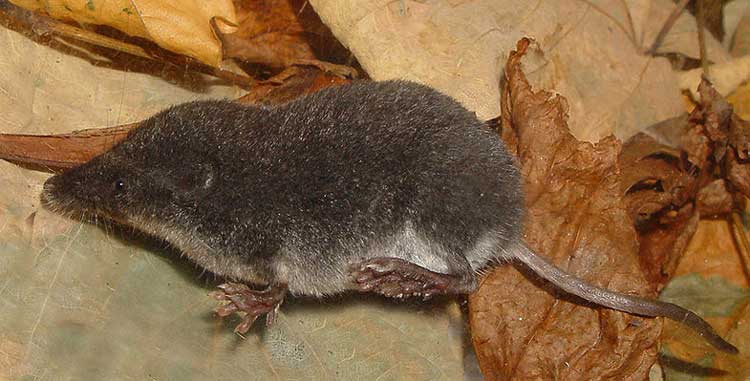
Neomys anomalus (Information about this image)

Life-forms

Superregnum: Eukaryota
Cladus: Unikonta
Cladus: Opisthokonta
Cladus: Holozoa
Regnum: Animalia
Subregnum: Eumetazoa
Cladus: ParaHoxozoa
Cladus: Bilateria
Cladus: Nephrozoa
Superphylum: Deuterostomia
Phylum: Chordata
Cladus: Olfactores
Subphylum: Vertebrata
Infraphylum: Gnathostomata
Megaclassis: Osteichthyes
Cladus: Sarcopterygii
Cladus: Rhipidistia
Cladus: Tetrapodomorpha
Cladus: Eotetrapodiformes
Cladus: Elpistostegalia
Superclassis: Tetrapoda
Cladus: Reptiliomorpha
Cladus: Amniota
Cladus: Synapsida
Cladus: Eupelycosauria
Cladus: Metopophora
Cladus: Haptodontiformes
Cladus: Sphenacomorpha
Cladus: Sphenacodontia
Cladus: Therapsida
Cladus: Theriodontia
Cladus: Eutheriodontia
Cladus: Cynodontia
Cladus: Epicynodontia
Cladus: Eucynodontia
Cladus: Probainognathia
Cladus: Prozostrodontia
Cladus: Mammaliamorpha
Cladus: Mammaliaformes
Classis: Mammalia
Cladus: Theriimorpha
Cladus: Theriiformes
Cladus: Trechnotheria
Cladus: Cladotheria
Cladus: Prototribosphenida
Cladus: Zatheria
Cladus: Tribosphenida
Cladus: Boreosphenida
Subclassis: Theria
Cladus: Eutheria
Infraclassis: Placentalia
Magnordo: Boreoeutheria
Superordo: Laurasiatheria
Ordo: Eulipotyphla

Familia: Soricidae
Subfamilia: Soricinae
Tribus: Nectogalini
Genus: Neomys
Species: Neomys anomalus
Name

Neomys anomalus Cabrera, 1907: 214

Holotype: MNCN No. 1140, adult ♂, skin and skull, collected in December 1892.
Type locality: “San Martin de la Vega (province of Madrid, on the Jarama River)”, Spain.

References
Primary references

Cabrera, A. 1907. Three new Spanish insectivores. Annals and Magazine of Natural History. Series 7 20(117): 212–215. DOI: 10.1080/00222930709487326

Additional references

Castiglia, R., Annesi, F., Aloise, G. & Amori, G. 2007. Mitochondrial DNA reveals different phylogeographic structures in the water shrews Neomys anomalus and N. fodiens (Insectivora: Soricidae) in Europe. Journal of Zoological Systematics and Evolutionary Research 45(3): 255–262. DOI: 10.1111/j.1439-0469.2006.00391.x Paywall Reference page.
Igea, J., Aymerich, P., Bannikova, A.A., Gosálbez, J. & Castresana, J. 2015. Multilocus species trees and species delimitation in a temporal context: application to the water shrews of the genus Neomys. BMC Evolutionary Biology 15: 209. DOI: 10.1186/s12862-015-0485-z Open access Reference page.
Querejeta, M. & Castresana, J. 2018. Evolutionary history of the endemic water shrew Neomys anomalus: Recurrent phylogeographic patterns in semi-aquatic mammals of the Iberian Peninsula. Ecology and Evolution 8(20): 10138–10146. DOI: 10.1002/ece3.4487 Open access Reference page.

Links

Neomys anomalus in Mammal Species of the World.
Wilson, Don E. & Reeder, DeeAnn M. (Editors) 2005. Mammal Species of the World – A Taxonomic and Geographic Reference. Third edition. ISBN 0-8018-8221-4.
Hutterer, R., Kryštufek, B., Yigit, N., Mitsainas, G., Meinig, H., Bertolino, S. & Palomo, L. 2021. IUCN: Neomys anomalus (Least Concern) (amended version of 2016 assessment). The IUCN Red List of Threatened Species 2021: e.T29657A197521634. DOI: 10.2305/IUCN.UK.2021-1.RLTS.T29657A197521634.en. Accessed on 25 October 2022.

Vernacular names
English: Mediterranean Water Shrew
español: Musgaño de Cabrera
galego: Muraño de Cabrera

The Iberian water shrew (Neomys anomalus) is a species of mammal in the insectivore family Soricidae.[1][2]
Distribution

The Iberian water shrew is found in France, Portugal, and Spain.[1]

Neomys anomalus was previously used in a broader sense for the Mediterranean water shrew, which had two subspecies: Neomys anomalus anomalus in the Iberian peninsula and Neomys anomalus millerii with a wide distribution from western Europe to southwest Asia.[3] Following a phylogenetic analysis, the two subspecies were recognised as distinct species, Neomys anomalus for the Iberian species and Neomys milleri for the more widely distributed species.[1][2] The most recent conservation assessment of broadly defined species for The IUCN Red List of Threatened Species gave a conservation status of Least Concern,[3] but the Iberian water shrew has not been assessed separately.
Feeding habits

It feeds mainly on amphibians and small fish, but also take insects and worms. Because of its small size and thus higher surface area to volume ratio, it loses body heat more quickly and must eat two or three times its body mass each day.
References
Wikimedia Commons has media related to Neomys anomalus.

"Neomys anomalus Cabrera, 1907". ASM Mammal Diversity Database. American Society of Mammalogists. Retrieved 24 February 2023.
Igea, Javier; Aymerich, Pere; Bannikova, Anna A.; Gosálbez, Joaquim; Castresana, Jose (2015). "Multilocus species trees and species delimitation in a temporal context: Application to the water shrews of the genus Neomys". BMC Evolutionary Biology. 15: 209. doi:10.1186/s12862-015-0485-z. PMC 4587729. PMID 26416383.
Hutterer, R.; Kryštufek, B.; Yigit, N.; Mitsainas, G.; Meinig, H.; Bertolino, S. & Palomo, L. (2021) [amended version of 2016 assessment]. "Neomys anomalus". IUCN Red List of Threatened Species. 2016: e.T29657A197521634.

Mammals, Fine Art Prints

Mammals Images

Biology Encyclopedia

Retrieved from "http://en.wikipedia.org/"
All text is available under the terms of the GNU Free Documentation License

Home - Hellenica World