Art Prints

ART

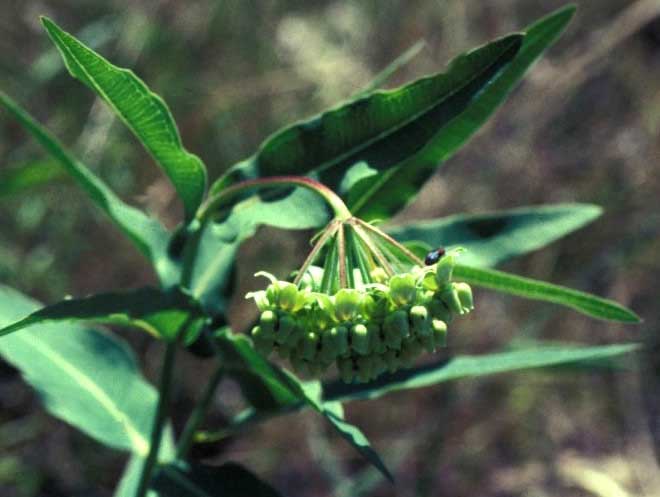
Asclepias meadii , Photo: US Forest Service

Life-forms

Classification System: APG IV

Superregnum: Eukaryota
Cladus: Orthokaryota
Cladus: Neokaryota
Cladus: Photokaryota
Cladus: Diaphoretickes
Cladus: CAM
Regnum*: Archaeplastida
Regnum: Plantae
Regnum*: Viridiplantae
Cladus: Streptophyta
Cladus: Phragmoplastophyta
Cladus: Embryophyta
Cladus: Polysporangiophyta
Divisio*: Tracheophyta
Cladus: Eutracheophyta
Cladus: Euphyllophytina
Cladus: Megaphylla
Cladus: Radiatopses
Cladus: Lignophyta
Cladus: Metalignophyta
Diviso*: Spermatophyta
Classis*: Angiospermae
Cladus: Mesangiospermae
Cladus: Eudicota
Cladus: Core eudicots
Cladus: Asterids
Cladus: Lamiids
Ordo: Gentianales

Familia: Apocynaceae
Subfamilia: Asclepiadoideae
Tribus: Asclepiadeae
Subtribus: Asclepiadinae
Genus: Asclepias
Species: Asclepias meadii
Name

Asclepias meadii Torr. ex A.Gray, 1856
Distribution
Native distribution areas:

Continental: Northern America
USA (Iowa, Illinois, Indiana, Kansas, Missouri, Wisconsin)

References: Brummitt, R.K. 2001. TDWG – World Geographical Scheme for Recording Plant Distributions, 2nd Edition
References

Torrey, J. 1856. Manual ed. 2: 704.

Links

Hassler, M. 2018. Asclepias meadii. World Plants: Synonymic Checklists of the Vascular Plants of the World In: Roskovh, Y., Abucay, L., Orrell, T., Nicolson, D., Bailly, N., Kirk, P., Bourgoin, T., DeWalt, R.E., Decock, W., De Wever, A., Nieukerken, E. van, Zarucchi, J. & Penev, L., eds. 2018. Species 2000 & ITIS Catalogue of Life. Published online. Accessed: 2018 Sep 28. Reference page.
Govaerts, R. et al. 2018. Asclepias meadii in Kew Science Plants of the World Online. The Board of Trustees of the Royal Botanic Gardens, Kew. Published online. Accessed: 2018 Sep 28. Reference page.
International Plant Names Index. 2018. Asclepias meadii. Published online. Accessed: Sep 28 2018. Reference page.
The Plant List 2013. Asclepias meadii in The Plant List Version 1.1. Published online. Accessed: 2018 Sep 28.
Tropicos.org 2018. Asclepias meadii. Missouri Botanical Garden. Published online. Accessed: 28 Sep 2018.
USDA, ARS, Germplasm Resources Information Network. Asclepias meadii in the Germplasm Resources Information Network (GRIN), U.S. Department of Agriculture Agricultural Research Service. Accessed: 07-Oct-06.

Vernacular names
English: Mead's milkweed

Asclepias meadii is a rare species of milkweed known by the common name Mead's milkweed. It is native to the American Midwest, where it was probably once quite widespread in the tallgrass prairie.[1] Today much of the Midwest has been fragmented and claimed for agriculture, and the remaining prairie habitat is degraded.[1]

The plant is a federally listed threatened species due to this destruction of its habitat.[1] Factors contributing to its rarity include mowing and plowing, highway expansions, erosion, loss of a natural prairie fire regime, pesticides directly applied or drifting from nearby agricultural operations, invasive plant species, trampling by hikers and off-road vehicles, loss of native insect pollinators, deer herbivory, and predation by a number of insect species, including the non-native oleander aphid.[1]
Distribution

The only naturally occurring populations of the plant are located in Missouri and Illinois, and populations have been reintroduced to Indiana and Wisconsin, where the plant had been extirpated.[2] There are also some populations in Kansas and Iowa, but few of these may last, especially in Kansas, where they occur on private hay fields that are mowed frequently.[2]

Highway expansions have been a source of destruction for the plant and its habitat.[3] In 2019, this issue came to the fore again. A highway expansion will destroy some of the plant's remaining habitat, so ecologists are trying to move the plants, a practice that has, so far, not been effective.[4]
Description

This is a rhizomatous perennial herb with a waxy erect stem growing up to about 40 centimeters tall. Blue-green, herringbone-patterned leaves occur in opposite pairs about the stem. The lance-shaped blades are smooth and sometimes wavy along the edges, and measure up to 8 centimeters long. The inflorescence is a nodding umbel of 6 to 23 fragrant flowers. Each flower has five petals up to a centimeter long which are green or purple-tinged when new and grow paler as they age. Behind them are five reflexed sepals.[5] The flowers are nectar-rich[2] and are pollinated by digger bees (Anthophora spp.), bumblebees (Bombus spp.),[6] and other bees. The fruit is a follicle up to 8 centimeters long containing hairy seeds. The species is long-lived, taking at least four years to reach sexual maturity and living for several decades,[6] possibly over a century.[1]
Reproduction

The species often reproduces vegetatively by sprouting more stems from its rhizome. It also sometimes reproduces sexually by producing seed. A reduction in genetic diversity is a threat to the species, as it requires diversity for the production of robust offspring. Seeds created via low-diversity fertilization tend to be less viable and produce weaker plants. This species is not self-fertile, either. Human activity has favored vegetative reproduction, a cloning of the plants that does not remix genes.[2][7] Mowing chops off the flowers or immature fruits, preventing seed production.[2] Fragmentation of the habitat reduces the number of nearby plants that can trade pollen and the likelihood of visits from common pollinating insects.[1]
Fire ecology

The plant is adapted to occasional prairie fire, and the suppression of such fires is detrimental.[8] Fire may have a number of beneficial fire ecology effects on the plant, including increases in leaf and flower production and in genetic diversity.[9]
Insect ecology

Insects that eat the plant include the milkweed beetles Tetraopes femoratus and Tetraopes tetrophthalmus and the milkweed weevils Rhyssomatus annectans and Rhyssomatus lineaticollis.[6] This plant, like many other milkweeds, hosts the monarch butterfly (Danaus plexippus).[6] The non-native oleander aphid, Aphis nerii, greatly weakens milkweed plants by removing sugars from stems and leaves. The leaves yellow and fall away. Flowering and seed production suffer as a result. The aphid often is just one of multiple insect species that weakens a milkweed plant during a season. A species of parasitic wasp has been approved and introduced that feeds specifically on this aphid but it is currently not being sold by any company in North America. The wasp is not widespread as a result of the introduction. Certain other species parasitic wasps that feed on aphids have been observed to sometimes feed on the oleander aphid.
Mammal herbivory

One study's author said that protective cages are necessary for the establishment of transplants in large areas (where fencing is not feasible), due to predation by deer and other animals. Apparently, this milkweed species is low in the toxic cardenolide chemicals that deter animal herbivory. Unfortunately, cages require maintenance that budgets typically do not provide for. Human activity has caused a rise in the population of deer as well as rodents. Rabbits also have the tendency to clip off the tops of seedlings multiple times in a season (leaving the foliage uneaten), often killing them. This behavior can be seen in multiple milkweed species, such as Asclepias syriaca.
References

"Asclepias meadii - Torr. ex Gray: Mead's Milkweed". NatureServe Explorer. Arlington County, Virginia: NatureServe. Archived from the original on November 14, 2005. Retrieved January 13, 2011.
"Asclepias meadii". Center for Plant Conservation. September 28, 2010. Archived from the original on December 15, 2010.
Ranney, Dave (October 3, 2004). "Recent past marked by confrontation". Lawrence Journal-World. Retrieved February 9, 2020.
Bosnak, Kirsten (March 22, 2019). "Kansas Biological Survey Scientists Study How Soil Microbiome Affects Prairie Health". The University of Kansas. Retrieved February 9, 2020.
Multiple sources:

"Asclepias meadii". Plant Database: Lady Bird Johnson Wildflower Center. Austin, Texas: University of Texas at Austin. November 12, 2014. Archived from the original on January 21, 2021. Retrieved March 10, 2024.
"Asclepias meadii, (Mead's milkweed)". Bring Back The Monarchs. Monarch Watch. Archived from the original on September 27, 2022. Retrieved January 17, 2024.

Betz, R. F. (1989). Bragg, Thomas B.; Stubbendieck, James (eds.). "Ecology of Mead's milkweed (Asclepias meadii Torrey)" (PDF). Prairie pioneers: ecology, history and culture: proceedings of the Eleventh North American Prairie Conference held 7-11 August 1988. Lincoln, Nebraska: University of Nebraska Printing. pp. 187–191. OCLC 741871225. Archived (PDF) from the original on October 16, 2022. Retrieved March 10, 2024 – via University of Wisconsin-Madison Libraries.
Grman, E. L. and H. M. Alexander. (2005). Factors limiting fruit production in Asclepias meadii in northeastern Kansas. American Midland Naturalist 153:2 245.
USFWS. Determination of threatened status for Asclepias meadii (Mead's milkweed). Federal Register September 1, 1988.
Assessment of the reintroduction potential of five federally threatened and endangered plant species at Midewin National Tallgrass Prairie, Table 3-2. USFS 1998.

Plants, Fine Art Prints

Plants Images

Biology Encyclopedia

Retrieved from "http://en.wikipedia.org/"
All text is available under the terms of the GNU Free Documentation License

Home - Hellenica World